“When is the best time to visit Türkiye?” is the question we hear more than any other. The honest answer is that it depends on which Türkiye you mean. The country stretches more than 1,500 kilometres from the Aegean to the Iranian border, and within that distance you will find a cosmopolitan city on two continents, a high volcanic plateau, a Mediterranean coastline, green Black Sea mountains and the ancient lands of Upper Mesopotamia. Each has its own rhythm, and each has its own best season.
Our team is based in Istanbul and has been planning journeys across Türkiye for 25 years. This guide explains how the country behaves month by month, what each season is genuinely good for, and how to shape a journey around the calendar rather than against it.
The short answer
For a classic first journey combining Istanbul, Cappadocia and the ancient sites of the Aegean, the most comfortable windows are mid-April to mid-June and September to early November. Temperatures are pleasant for walking, the light is beautiful and the major sites are less crowded than in high summer.
That said, summer is the season for the turquoise coast and the Black Sea highlands, and winter offers a quieter, more atmospheric Istanbul, snow-covered fairy chimneys in Cappadocia and some of the lowest crowds of the year. There is no wrong month to visit Türkiye, only the wrong itinerary for that month.
Five regions, five climates
Before turning to the calendar, it helps to know how the main regions differ.
- Istanbul and the Marmara region: four distinct seasons, with mild, often rainy winters, warm and humid summers, and long, beautiful springs and autumns.
- Cappadocia and Central Anatolia: a high plateau with a continental climate. Summers are warm and dry with cool nights; winters are cold and frequently snowy.
- The Aegean and Mediterranean coasts: Ephesus, Bodrum, Fethiye, Antalya and the Turquoise Coast. Long, hot, dry summers and mild winters.
- The Black Sea: green, mountainous and wet for much of the year, with its best weather in summer.
- Eastern and Southeastern Türkiye: Mardin, Şanlıurfa, Göbeklitepe, Mount Nemrut and Lake Van. Very hot summers in the south-east, harsh winters in the high east, and outstanding springs and autumns.
Winter: December to February
December is a lovely time for Istanbul. The summer crowds have gone, the light over the Bosphorus is soft and low, and long lunches of fish and meze feel exactly right. In Konya, the Mevlana commemoration ceremonies take place in the first half of the month, culminating on 17 December, the anniversary of Rumi’s death, when whirling dervish ceremonies draw visitors from around the world.
January is the quietest month of the year and, for many experienced travellers, a hidden gem. Major monuments in Istanbul are far calmer, and Cappadocia under snow is one of the most magical sights in the country: fairy chimneys dusted white, warm cave hotels and, on clear, still mornings, hot-air balloons rising over a frozen landscape. Balloon flights operate year-round but depend on the weather, and cancellations are more frequent in winter, so we always recommend allowing at least two mornings in Cappadocia. Winter sports enthusiasts can ski at Erciyes near Kayseri or Palandöken in Erzurum.
February is similar, with the first signs of spring appearing along the Mediterranean coast by the end of the month. In 2027, Ramadan is expected to begin in early February, which gives Istanbul’s evenings a special atmosphere (more on that below).
Best for: Istanbul without the crowds, snowy Cappadocia, cultural journeys, skiing and travellers who prefer quiet to sunshine.
Spring: March to May
March is changeable but increasingly mild. On the coasts, almond and citrus trees blossom and the ancient sites of the Aegean and Mediterranean are pleasantly cool to explore. Cappadocia can still be cold, especially at night. In 2027, the Ramadan Feast (Ramazan Bayramı) falls in the second week of March, a national holiday when many Türks travel to visit family.
April is when Istanbul is at its most photogenic. The city’s parks and palace gardens fill with tulips during the annual Tulip Festival, the Judas trees bloom purple along the Bosphorus and the city’s cultural calendar picks up, including the Istanbul Film Festival. It is also an excellent month for Ephesus, Pamukkale and the Lycian coast, before the heat arrives.
May is, for us, one of the finest months of the year. The whole country is green, temperatures are warm without being hot, and walking routes such as the Lycian Way are at their best. In the south-east, the fields around Şanlıurfa and Mardin are green, and the road to the summit of Mount Nemrut usually reopens after winter, making late spring an ideal time for Eastern Türkiye. By the end of the month, the Aegean is warm enough for the first swims.
Best for: first-time visitors, combined city, culture and coast itineraries, Eastern Türkiye, walking and gardens.
Summer: June to August
June is a superb month on the coast. The sea has warmed, days are long and bright, and gulet cruises along the Turquoise Coast begin their best season. Istanbul is warm and lively, with long evenings by the water, and Cappadocia enjoys warm days and cool nights that are perfect for sunrise balloon flights.
July and August are high summer. The Aegean and Mediterranean coasts are at their most beautiful for swimming, sailing and slow days in Bodrum, Fethiye or Kaş. Inland, however, it is hot. Ephesus, Pamukkale and the sites of the south-east are best visited early in the morning, and in Mardin and Şanlıurfa midday temperatures can be fierce. This is the moment to head north instead: the Black Sea highlands around Rize and Artvin are cool and green, and summer is when the mountain plateaus (yayla) come alive with seasonal life.
Summer is also the busiest season on the coast, so the best boutique hotels and private gulets should be reserved well in advance.
Best for: coastal escapes, sailing, family travel, the Black Sea, wellness retreats and balloon flights in Cappadocia.
Autumn: September to November
September may be the best-kept secret in Türkiye. The sea is at its warmest, the summer crowds have thinned, and inland temperatures fall to a comfortable level. It is harvest season, too: grapes in Cappadocia and around the Aegean, and figs and olives along the coast.
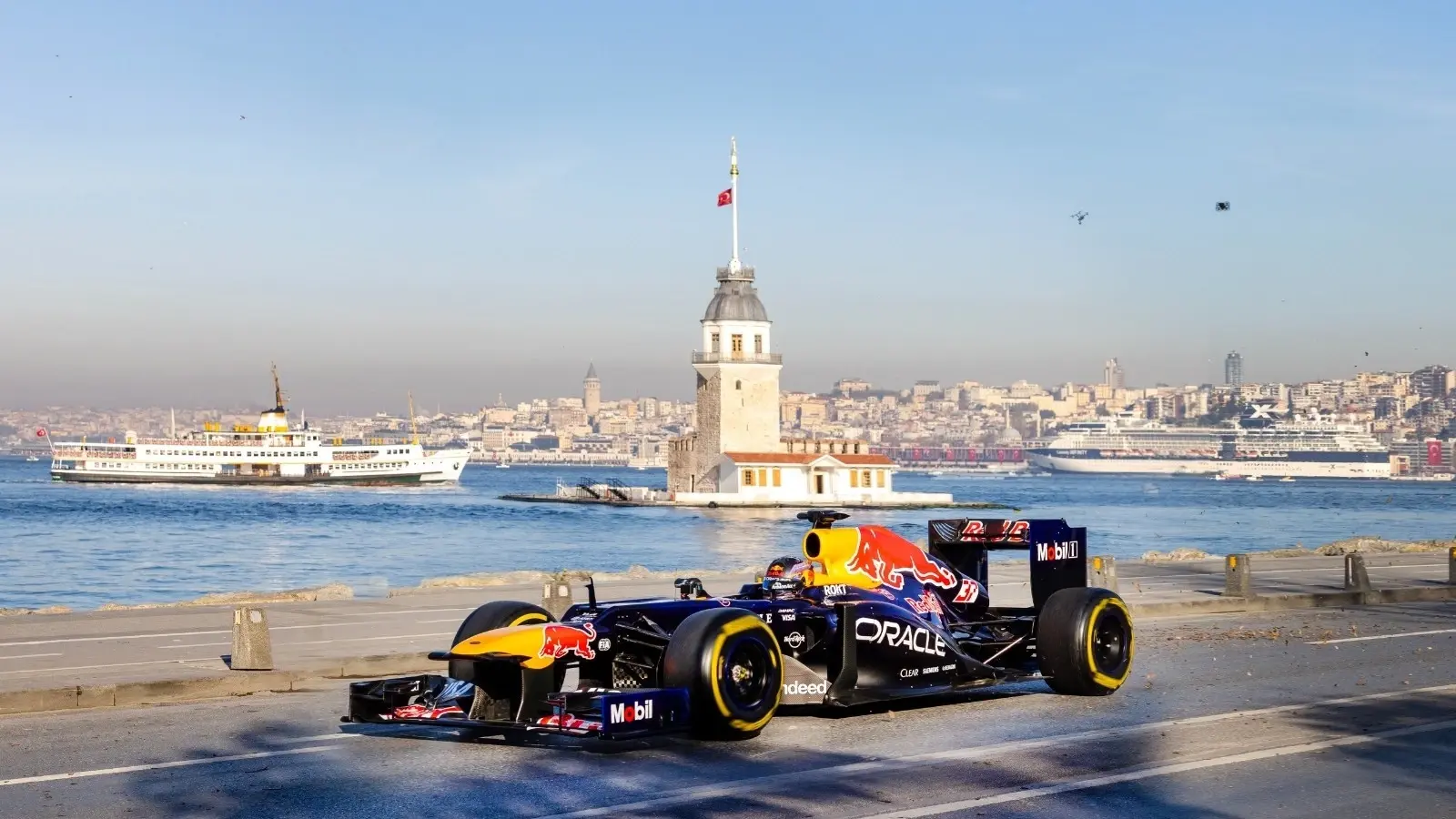
October is excellent almost everywhere. Istanbul is mild and golden, Cappadocia’s valleys turn amber and are ideal for hiking, and the coast remains warm enough to swim in the first half of the month. In 2027, Istanbul also welcomes Formula 1 back to Istanbul Park for the Turkish Grand Prix at the start of October, a weekend that brings an extra energy to the city and fills hotels quickly.
November brings cooler weather and the first rains, but also clear, crisp days and very few crowds. It is a rewarding month for Istanbul, the museums and the archaeological sites of the south, where it often remains pleasantly mild.
Best for: culture and history, Cappadocia hiking, warm late-season swimming, Eastern Türkiye and travellers who want summer warmth without summer crowds.
Travelling during Ramadan and the national holidays
Ramadan follows the lunar calendar and moves about eleven days earlier each year. In 2027, it is expected to begin in early February, ending with the Ramadan Feast from 9 to 11 March. The Feast of the Sacrifice (Kurban Bayramı) follows from 16 to 19 May 2027.
For visitors, Ramadan in Türkiye has very little impact on daily travel. Restaurants, cafés and sights operate as normal, particularly in Istanbul and along the coast. What changes is the atmosphere after sunset: families gather for iftar, the evening meal that breaks the fast, and squares such as Sultanahmet fill with food stalls and life. It is a memorable time to be in the city.
The two feast holidays are a different matter. They are major national holidays when millions of people travel to see family or head to the coast. Domestic flights, coastal hotels and roads become very busy, and some businesses, including parts of the Grand Bazaar, may close for a day or more. If your dates overlap with a bayram, it is worth planning transport and key visits well in advance.
Matching the season to your journey
Because each region peaks at a different time, the best itineraries follow the seasons rather than fight them.
- Istanbul and Cappadocia work in every month. Spring and autumn are the most comfortable, while winter adds snowy landscapes and quiet museums. Our Two Icons of Türkiye and Istanbul and Cappadocia journeys are built around these two essentials.
- Grand circuits combining Istanbul, Cappadocia, the Aegean and the Mediterranean are best from April to June and September to October. This is the natural season for our Grand Türkiye Journey and Ancient Wonders & Turquoise Waters itineraries.
- Eastern Türkiye is at its finest in May and from mid-September to October, when it is warm enough for Mount Nemrut and cool enough for the south-east. See our Eastern Türkiye Dream journey.
- The Black Sea belongs to summer, from June to September, the season for our Emerald Horizons journey through the highlands.
- The coast is at its best from late May to October, whether for a wellness retreat such as Bodrum Bliss or a slow week on the water.
- Biblical and early Christian sites, including the Seven Churches of Revelation, are most comfortable to explore in spring and autumn, as in our Footsteps of Revelation journey.
On a tailor-made journey, we also sequence the route around the season: Cappadocia first in winter to allow extra balloon mornings, the coast at the end of the journey in early summer, and the south-east in the cooler shoulder months.
The real best time to visit Türkiye
Every season in Türkiye has its own reward. Winter offers quiet museums and snow on the fairy chimneys; spring brings tulips and wildflowers; summer belongs to the sea and the mountains; autumn delivers golden light, harvests and warm water. The best time to visit is the one that fits the journey you have in mind, planned by people who know how the country feels in every one of those months.
If you are thinking about a journey to Türkiye and would like help choosing the right moment, our Istanbul team would be delighted to talk it through with you.
Plan this journey
Want to travel this route with us?
Our specialists will shape a private itinerary around your dates, pace and interests.
Plan my trip